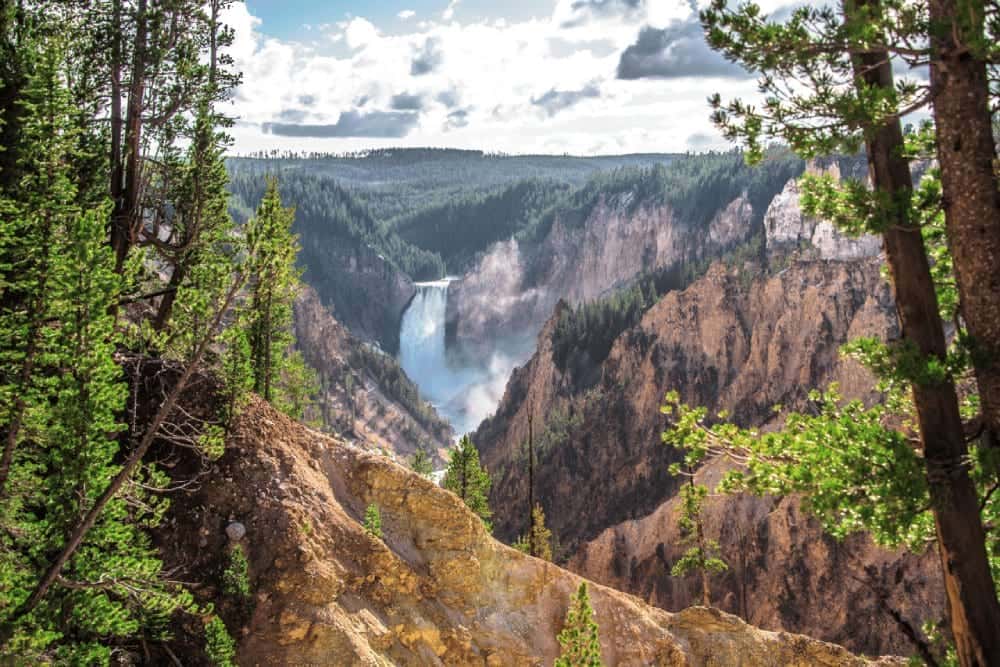
Yellowstone National Park, the world’s first, is a cherished national – and global – treasure. Xanterra Travel Collection, which operates Yellowstone National Park Lodges, plays a key role in preserving its beauty while providing unforgettable experiences for the millions of annual park visitors.
Operating 2,300 guest rooms across nine lodges and 31 dining outlets, Xanterra is committed to reducing its environmental footprint, including operational waste. Disposing of worn sheets, towels, uniforms, and dining linens each year posed a significant challenge. The team needed a sustainable solution to keep these textiles out of landfills.
Sustainably Tackling Textile Waste in a Remote National Park
Running hospitality operations in a protected environment like Yellowstone comes with its own sustainability challenges. Xanterra operates under the strict oversight of the National Park Service, Coast Guard, EPA, and state agencies, requiring compliance with extensive environmental standards.
“Our laundry facility typically processes over four million pounds of material annually,” said Sam Krasnobrod, Sustainability Program Manager at Yellowstone National Park Lodges.
Xanterra has made significant strides in improving the efficiency of its equipment, reducing water use, and sourcing environmentally safe chemicals. “The efficiency of these processes means we only retire 2%, or 80,000 pounds, of linens, towels, rags, and other textiles annually,” Sam continued. “Seeing these materials recycled instead of going to the landfill is a win.”
Facing Mounting Storage and Logistical Challenges
Traditionally, retired textiles were donated to organizations like the Salvation Army, Habitat for Humanity, and local animal shelters. But during the pandemic, an influx of donations overwhelmed these groups, leaving them unable to accept all of Yellowstone’s textiles.
“Storage space quickly became an issue. We had over 30 shipping boxes, each weighing 600-800 pounds, filling most of our recycled warehouse,” Sam noted. The team urgently needed a solution.
Yellowstone’s remote location and strict National Park Service requirements made finding a reliable recycling partner difficult. An initial partnership was short-lived. “The company struggled to handle our volume and meet the park’s contract requirements, and it took weeks to schedule a pickup,” Sam said.
How CheckSammy Delivered a Fast and Sustainable Solution
When Sam found CheckSammy, he quickly knew he’d found the right partner. “Within a day, we had a response and a signed contract,” Sam said. CheckSammy easily met the park’s contract requirements.
After assessing the volume of textiles, the CheckSammy team analyzed options, crunched numbers, and determined that mechanical recycling – repurposing shredded textiles into new products like toy stuffing, mattress padding, and pet beds – would deliver the greatest net CO2 savings.
“The previous company needed weeks of planning to schedule a pickup, but CheckSammy did it in 24-48 hours. We’re not used to quick turnarounds in remote Montana – it’s great,” Sam said.
The fast response also enables smaller, more frequent pickups, reducing the risk of contamination from long-term storage, such as mildew – a challenge in Yellowstone’s wilderness environment. Contaminated textiles can’t be recycled, so protecting their integrity is crucial to maintaining high diversion rates.
Advancing Xanterra’s Environmental Goals
Textile recycling is an important part of Xanterra’s broader sustainability goals and reflects its commitment to protecting natural resources, including net-zero greenhouse gas emissions by 2050.
“In 2023, we diverted 1.5 million pounds of waste from landfills through our recycling program. That is roughly the equivalent of 750 bull bison,” Sam explained. “We continually seek out innovative solutions to reach our goal of reducing waste by 5% annually. Textile recycling through CheckSammy is a great example of that, and a project we’re excited to see continue.”
So far, CheckSammy has recycled over 25,000 pounds of Yellowstone’s textiles in 2024. Despite some water damage in the first load, the program has already contributed to a net CO2 savings of 20 metric tons – the equivalent of taking four cars off the road for an entire year.
Looking to the future, Sam envisions recycled textiles being part of a full-circle sustainable story. For example, the product of the recycled textiles could fill the plush toys sold at the hotels in Yellowstone.
It also builds trust. “When guests see we’re recycling their linens, they trust we’re recycling other materials like glass and composting kitchen waste,” Sam said.
Protecting Yellowstone for Future Generations
For Xanterra, sustainability is a core value that drives everything they do at Yellowstone National Park. “It’s not just about meeting compliance requirements. It’s about our responsibility to maintain this beautiful and miraculous place,” Sam explained. “We have a duty to give guests a memorable experience while doing everything we can to protect and enhance the park’s natural beauty for future generations.”
Learn more about sustainable textile recycling.